Recumbent vs. Upright Bike: Which Is Best for Your Health & Comfort?
Comparing recumbent vs upright bikes. Discover which offers better back support, knee relief, calorie burn, and long-distance comfort for your goals.
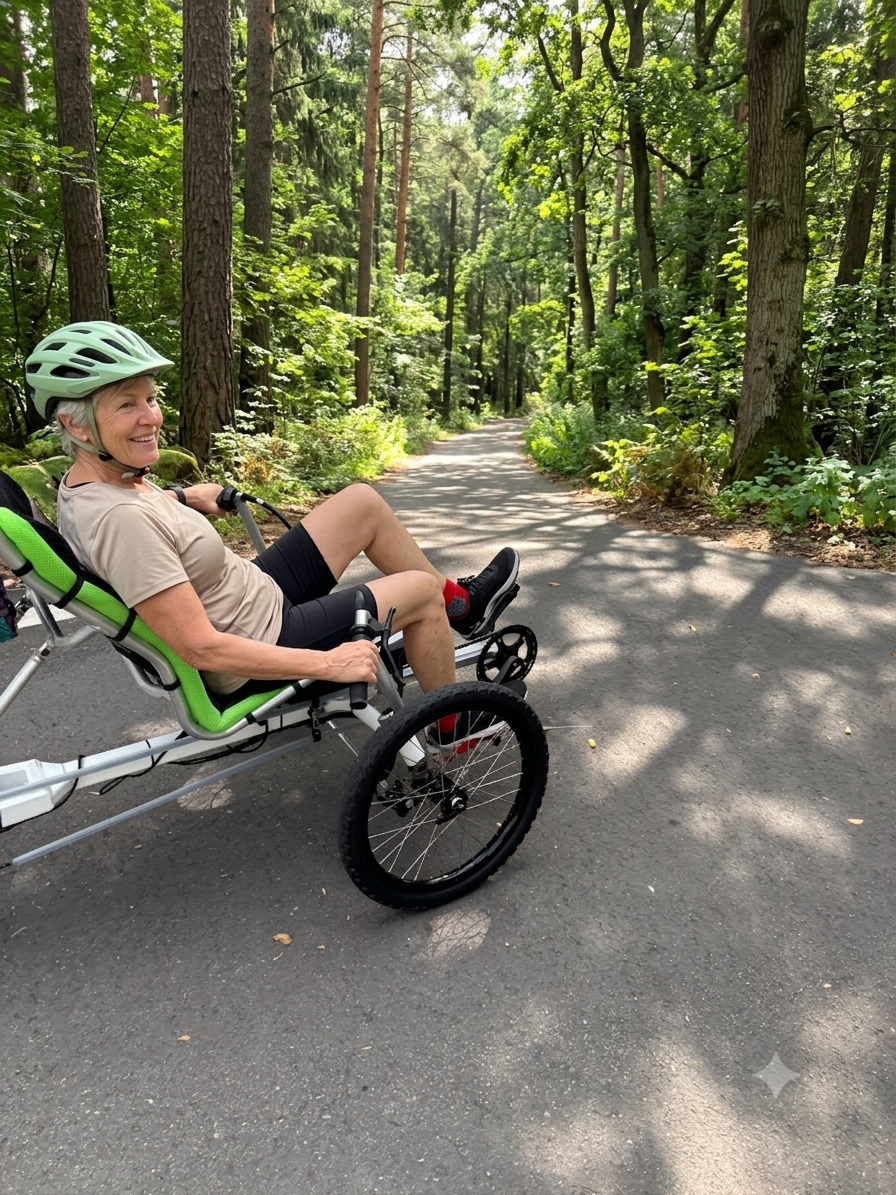
When choosing the right bicycle or indoor exerciser, the debate usually comes down to two distinct options: recumbent bikes and upright bikes.
While upright bikes represent the traditional cycling experience, recumbent bikes — especially recumbent trikes and e-assisted models — have surged in popularity across North America. But which design offers the best value, health benefits, and riding experience for your specific goals?
Quick Summary: Recumbent vs. Upright at a Glance
- Choose a recumbent bike/trike if: you suffer from lower back pain, knee strain, or saddle soreness; you want superior ergonomic lumbar support; or you plan on long-distance touring with maximum safety and balance.
- Choose an upright bike if: you prefer a traditional cycling stance, want to engage your core through standing pedals, or have limited storage space in a compact home gym.
1. Ergonomics & Comfort: Say Goodbye to Saddle Soreness
The most significant distinction between a recumbent bike and an upright bike lies in the sitting geometry and body weight distribution.
Recumbent Bikes: Chair-Like Lumbar Support
Recumbent bikes feature a wide, contoured seat with a full backrest, allowing you to recline while pedaling forward. Because your weight is distributed across your buttocks and back rather than concentrated on a small saddle, recumbent riding eliminates common cycling discomforts:
- No lower back strain or disc compression.
- No neck, shoulder, or wrist pressure caused by leaning over handlebars.
- Zero saddle soreness, numbness, or chafing during long-distance rides.
Upright Bikes: Traditional Weight-Bearing Posture
Upright bikes position your hands directly over the handlebars, requiring you to lean forward. While this mimics traditional road cycling and engages stabilizing muscles, it transfers significant pressure to your pelvic area, spine, and upper wrists.
Side-by-Side Comparison: Key Specifications
- Riding position — Recumbent: reclined, bucket seat with backrest. Upright: forward-leaning stance.
- Lumbar & spine support — Recumbent: exceptional, full back support with zero strain. Upright: minimal, requires core effort to protect the back.
- Joint & knee impact — Recumbent: very low, ideal for rehabilitation and seniors. Upright: moderate to high weight-bearing pressure.
- Saddle comfort — Recumbent: ergonomic chair seat, no saddle soreness. Upright: traditional saddle that can cause chafing.
- Aerodynamics — Recumbent: high, low profile reduces wind resistance. Upright: low to moderate, the body catches wind.
- Stability — Recumbent trike: maximum, zero balancing required. Upright: requires active balance.
- E-assist compatibility — Recumbent: excellent for hilly long tours. Upright: standard.
2. Health & Joint Relief: Is a Recumbent Bike Better for Bad Knees?
If you are recovering from an injury or looking for low-impact cardio, the mechanical angle of pedaling makes a massive difference.
- Protecting your lower back: physical therapists frequently recommend recumbent exercise bikes and recumbent trikes for chronic back issues or spinal conditions. Lumbar support keeps the spine neutral throughout the workout.
- Knee-friendly motion: the forward-pedaling motion reduces hip extension torque and knee strain versus the downward extension on upright models — the premier choice for post-surgery rehabilitation, arthritis sufferers, and senior fitness.
- Calorie burn & heart health: at identical heart-rate zones, recumbent and upright bikes deliver equivalent cardiovascular benefits and calorie burn, with significantly less structural stress on your joints.
3. Road Performance, Aerodynamics, and E-Assist Integration
Speed & Wind Resistance
On flat roads and descents, recumbent trikes are significantly more aerodynamic than upright bikes. Upright riders present a high frontal area and catch more wind drag; a recumbent trike keeps you low with a small frontal area, so you cut through headwind with noticeably less drag and hold higher cruise speeds with reduced effort.
Climbing & Electric Assist (E-Assist)
Because riders cannot stand up on the pedals to leverage body weight on steep inclines, climbing hills on a manual recumbent requires proper gearing. To solve this, e-assist recumbent trikes have become the fastest-growing trend in North America. Adding a hub or mid-drive motor gives riders the extra push needed to conquer steep hills effortlessly, turning recumbent trikes into ultimate long-distance touring machines.
4. Stability and Safety: The Advantage of 3 Wheels
- Zero-balance riding: a three-wheeled recumbent trike remains completely stable at all times, even at a full stop. You never need to put a foot down.
- Low center of gravity: the low seating position dramatically reduces the risk of tipping over or falling from height — unmatched peace of mind for older adults and riders with balance impairments.
Final Verdict: Which Bike Is Right for You?
Get a recumbent bike or trike if:
- You experience back, neck, or joint pain when riding a conventional bicycle.
- You want a comfortable, low-impact exercise option for daily fitness or rehabilitation.
- You plan to embark on long touring trips and want maximum comfort paired with e-assist power.
Get an upright bike if:
- You are preparing for traditional spin classes or road bike racing.
- You prefer a compact footprint for small living spaces.
Upgrade Your Ride with Custom Comfort & Performance
Looking to experience the ultimate blend of ergonomic comfort, superior engineering, and long-distance cruising power? Explore the OVELOX lineup of low step-through electric recumbent trikes and e-assist upgrades designed to transform your cycling journey — and reach out for a one-on-one fit consultation.
Comfort is not a luxury on a long ride — it is what decides whether you finish smiling or sore.
Ride the difference yourself
OVELOX is a low step-through electric recumbent trike built for comfort, stability and pain-free long rides — designed with seniors and pet families in mind.
Contact OVELOXKeep reading
How Cycling Can Become Part of Your Weekend Routine
Learn how to build a sustainable weekend cycling routine with an electric recumbent trike. Discover route ideas, distance goals, safety checklists, and tips for seniors, pet families, and active-aging riders.
Electric Trike vs Mobility Scooter: Which Is Better for Seniors?
Compare electric trikes and mobility scooters for seniors: stability, comfort, exercise, range, speed, terrain, cargo, storage, and everyday lifestyle. Find the right active mobility choice.