How to Measure Your X-Seam Correctly for the Perfect Recumbent Trike Fit
Learn how to measure your X-Seam at home, adjust your recumbent trike boom, and find the perfect 15°–20° knee bend for pain-free riding.
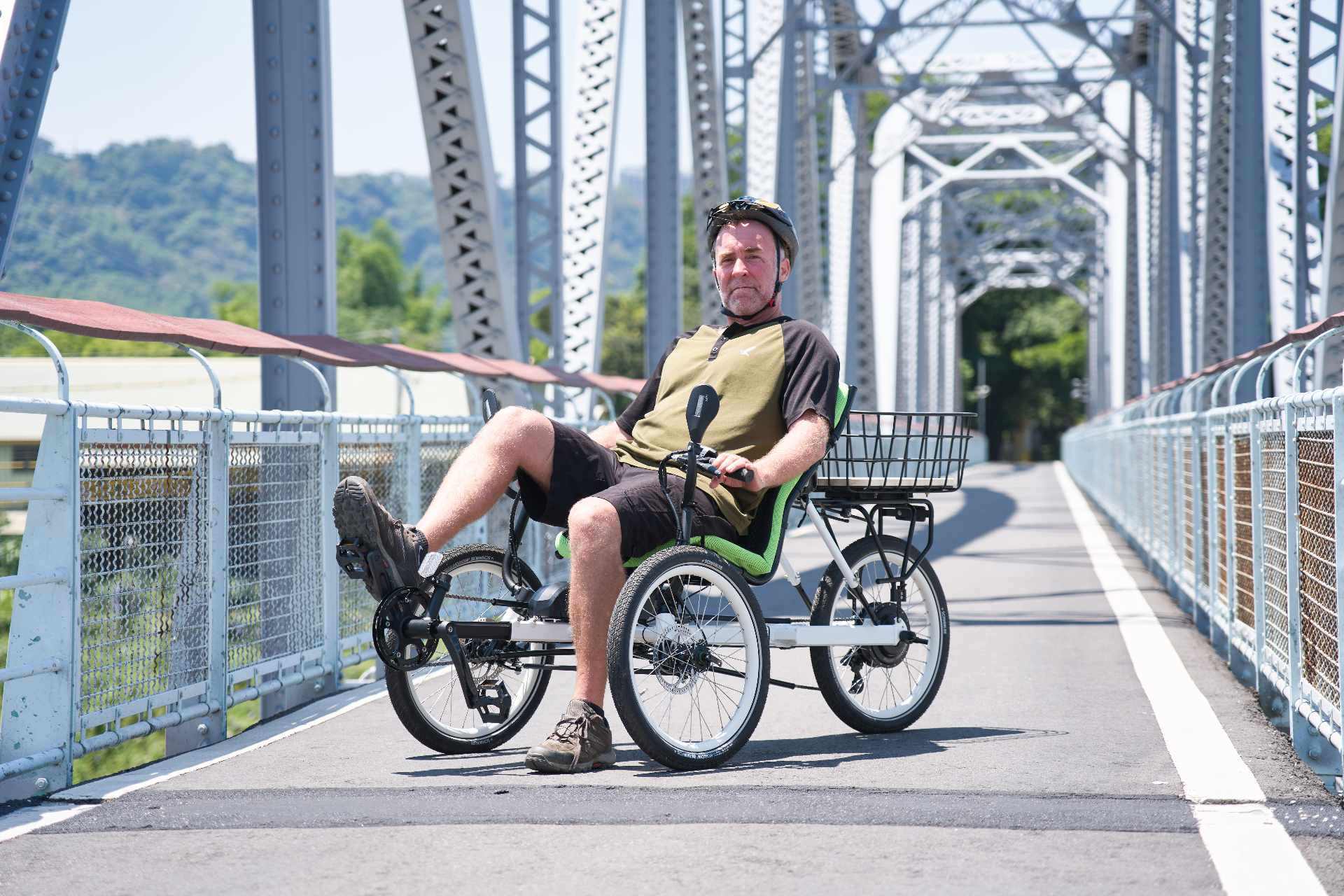
When transitioning from a standard upright bicycle to an ergonomic recumbent trike, traditional sizing methods like standover height, frame size (S/M/L), or pant inseam no longer apply. Because recumbent riding repositions your torso into a comfortable reclined seat, leg reach is determined along an entirely different axis. Enter the X-Seam—the single most critical metric in recumbent cycling. Measuring your X-Seam correctly ensures your trike's boom (the forward extension tube holding the pedals) is dialed in to your exact anatomy. A precise fit protects your knees from strain, maximizes power transfer, and guarantees a painless riding experience.
What Exactly Is an X-Seam?
The X-Seam is the precise linear measurement from the base of your spine/lower back (where your buttocks rest firmly against the recumbent seat) straight down your leg to the bottom of your shoe heel, when your leg is extended. Unlike standard bike fitting where you adjust seat height vertically up or down, on a recumbent trike, seat distance is adjusted horizontally by sliding the Boom forward or backward. Because every rider's seat recline angle and hip positioning differ slightly, measuring this exact distance is vital prior to ordering or adjusting your trike.
Key Takeaway: Never rely on your pant inseam! Inseam only measures from crotch to floor, ignoring hip depth, seat back angle, and heel thickness. Your X-Seam measures the true functional distance from the back of your hips to the bottom of your feet in a seated position.
Recumbent Trike Fit Calculator
Enter your X-Seam measurement below to get a recommended boom extension and crank size.
Standard frame fit — the most common rider range.
This is a starting recommendation. Always confirm the final fit on your trike and maintain a 15°–20° knee bend at the furthest pedal point.
Step-by-Step: How to Measure Your X-Seam at Home
You don't need expensive bike shop tools to get an exact measurement. All you need are 5 minutes, a hard flat floor, a wall, a tape measure, and a hardcover book.
Step 1: Put on Your Cycling Shoes
Wear the exact sneakers, cycling shoes, or sandals you plan to ride in. Shoe sole thickness (stack height) typically adds 0.5 to 1.5 inches (1.3 - 3.8 cm) to your reach, which directly impacts your pedal stroke.
Step 2: Sit Flat Against a Wall
Sit on a hard, uncarpeted floor with your back firmly pressed against a smooth wall. Ensure your buttocks and lower back are pushed fully against the wall, mimicking your position in a recumbent mesh seat.
Step 3: Extend Legs & Place the Book
Extend your legs straight out in front of you with toes pointing straight up. Place a flat hardcover book (or square wooden block) flush against the soles of your shoes, as if pushing against a pedal surface.
Step 4: Measure the Total Distance
Using a flexible tape measure, measure the distance from the wall (behind your lower back) to the inside surface of the book touching your shoe soles. Record this number in both inches and centimeters.
Adjusting Your Trike's Boom: Finding the "Goldilocks Zone"
Once you have your X-Seam number, it's time to set up your trike's boom. Loosen the boom clamp bolts on your frame, slide the boom to your target distance, and retighten to manufacturer torque specifications. To verify if your boom distance is in the Goldilocks Zone, sit on your trike and clip in or place your feet on the pedals.
Boom Too Far (Over-extended)
Symptom: Your leg locks out completely (0° knee bend), your hips rock side-to-side, and your ankles strain. This is incorrect and raises the risk of Achilles and knee tendonitis.
Boom Too Close (Under-extended)
Symptom: Your knee stays bent sharply (less than 15° bend at max reach) and may bump the handlebars or your chest. This is incorrect and creates excessive pressure on the kneecap.
Optimal Reach (15°–20° Bend)
Your knee maintains a slight, relaxed flex at the furthest pedal stroke (6 o'clock position), allowing a fluid cadence. This is the perfect fit—ergonomic and joint-safe.
Pro Tip: The 15-Degree Rule — When your pedal is at its absolute furthest point away from you during a pedal revolution, your knee joint should maintain a slight 15° to 20° angle. Never lock your knee out fully; locking forces your hamstrings to stretch unnaturally and can cause hyper-extension pain over long rides.
Special Considerations & Troubleshooting
Every body is different. Here are two common fit scenarios and how to handle them.
Riders Between Sizes (Shorter X-Seams)
If your X-Seam is under 38 inches (96 cm), the standard boom might bottom out against the frame before reaching your ideal fit. You have two options: install short crank arms (150 mm / 155 mm) to reduce pedal rotation radius and bring the pedals closer with less joint stress, or trim 1–2 inches off the back of the aluminum boom tube so it can insert deeper into the frame.
Multi-Rider Households & Quick-Release Clamps
If multiple family members share one recumbent e-trike, installing a Quick-Release Boom Clamp with a chain coupler allows you to adjust the boom length in seconds without needing hex keys or recalculating chain slack every time.
Quick Reference Guide: X-Seam Range Chart
Use this chart as a starting point when ordering cranks, boom extensions, or a complete trike frame.
- Compact Frame Fit: X-Seam 33" – 38" (84 cm – 96 cm) → Recommended: Short Cranks (150–155 mm)
- Standard Frame Fit: X-Seam 38" – 46" (96 cm – 117 cm) → Recommended: Standard 170 mm Cranks
- Extended Frame Fit: X-Seam 46" – 52" (117 cm – 132 cm) → Recommended: Long Boom & Extended Chain
Conclusion
Taking 5 minutes to accurately measure your X-Seam before purchasing or riding your recumbent trike ensures every ride is smooth, powerful, and painless. Whether you're cruising local rail-trails, commuting, or setting off on long-distance tours, the right fit turns a great e-trike into the ultimate joy machine.
Ride the difference yourself
OVELOX is a low step-through electric recumbent trike built for comfort, stability and pain-free long rides — designed with seniors and pet families in mind.
Contact OVELOXKeep reading
How Cycling Can Become Part of Your Weekend Routine
Learn how to build a sustainable weekend cycling routine with an electric recumbent trike. Discover route ideas, distance goals, safety checklists, and tips for seniors, pet families, and active-aging riders.
Electric Trike vs Mobility Scooter: Which Is Better for Seniors?
Compare electric trikes and mobility scooters for seniors: stability, comfort, exercise, range, speed, terrain, cargo, storage, and everyday lifestyle. Find the right active mobility choice.