5 Common Mistakes Beginners (and Seniors) Make When Buying a Recumbent Bike
Avoid the 5 biggest buying mistakes when choosing a recumbent bike or e-recumbent trike for seniors: X-Seam fit, back support, cadence, and more.
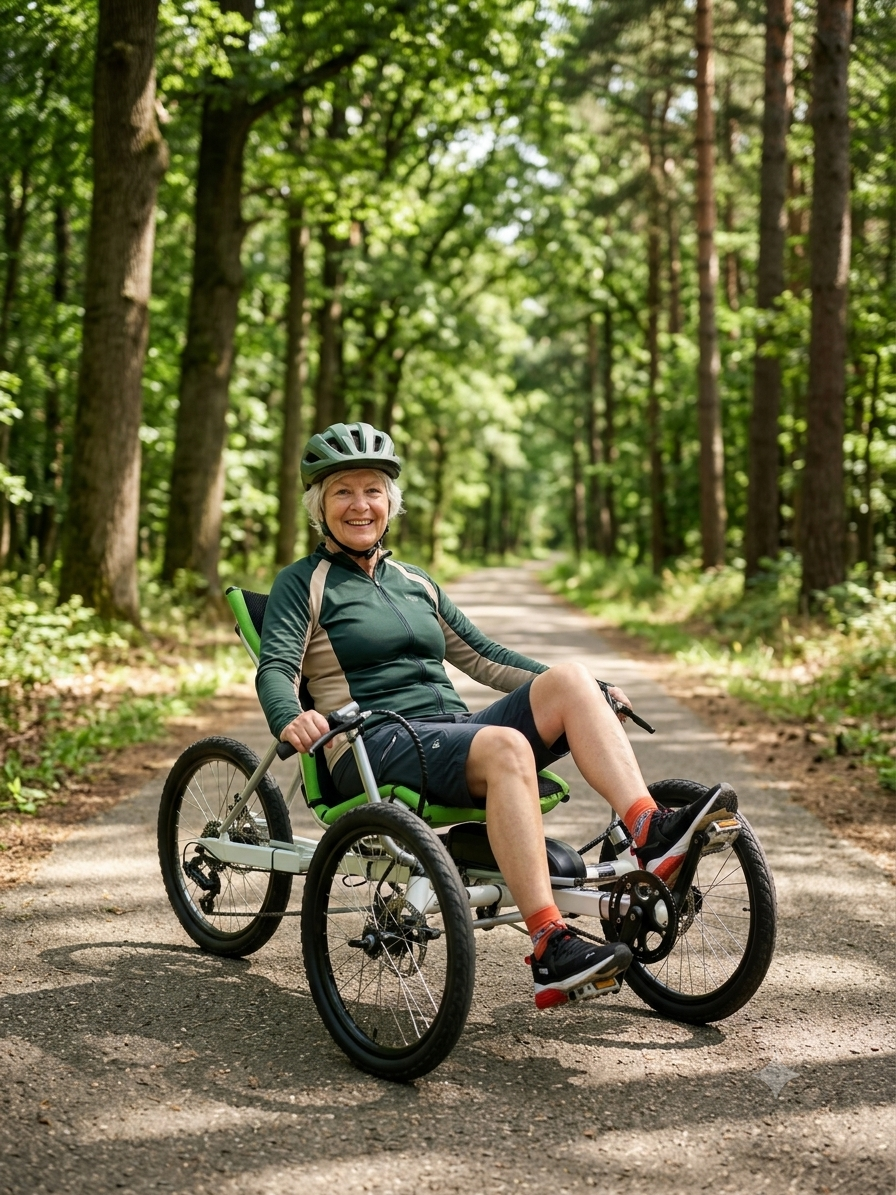
Buying a recumbent bicycle or e-recumbent is completely different from buying a traditional upright bike — it is like switching from a horse saddle to an ergonomic office chair. It is one of the most senior-friendly fitness choices available, offering unrivaled joint comfort and balance stability. However, many first-time buyers fall into common traps by applying standard cycling logic. Avoid these 5 mistakes when choosing your ride.
Mistake 1: Buying by Standard Frame Size Instead of X-Seam
Unlike standard road bikes that use S/M/L frame sizing, recumbent bikes rely on an adjustable boom. What matters most is your X-Seam — the heel-to-hip measurement — to prevent knee strain, a crucial factor for seniors with arthritis or joint sensitivity. On e-bikes, proper adjustment also protects the motor wiring and keeps the pedal-assist response smooth.
Mistake 2: Assuming Leg Fatigue Means the Bike Is a Bad Fit
Recumbents target glutes and hamstrings rather than gravity-assisted quad stomping. Even active seniors using pedal-assist need a 2-to-4-week adjustment period to build 'recumbent legs.' Fatigue is normal at first as new muscle groups adapt, even if the bike fits perfectly.
Mistake 3: Ignoring Back Support, Posture, and Power Transfer
Your seat back is your leverage point — eliminating neck strain, wrist pain, and lower back pressure. Instead of hunching over handlebars, you push directly against the seat back, like a leg press machine. On an e-recumbent, a well-adjusted seat absorbs motor torque and supports full-spine alignment, delivering real neck and back pain relief cycling.
Mistake 4: Gripping the Handlebars for Balance and Leverage
On upright bikes, riders pull the handlebars during climbs. On a recumbent — especially comfortable three-wheel recumbent trikes — your arms and shoulders should stay 100% relaxed. Holding a tight grip causes unnecessary hand numbness, especially for riders managing neuropathy or joint stiffness.
Mistake 5: Relying Solely on Motor Power Instead of Proper Cadence
Recumbent riders cannot stand up on pedals ('mash') to climb hills. While electric pedal-assist levels the playing field for senior riders on steep inclines, relying on high assistance in heavy gears drains the battery and stresses the motor. Maintaining a high cadence of 70–90 RPM ensures smooth, low-impact cardio that keeps your rides longer and your drivetrain healthier.
Make Your First Recumbent the Right One
A recumbent bike for seniors should never be bought like a standard bicycle. Prioritize X-Seam fit, full back support, relaxed arm positioning, and a smart pedaling rhythm. Whether you choose a manual recumbent or a senior-friendly e-bike, getting these fundamentals right transforms cycling from a painful chore into a daily joy.
Ready to find the perfect ergonomic ride? Start with your X-Seam measurement, test a few seat angles, and take a short test ride on a quiet trail. Your joints, spine, and future self will thank you.
Ride the difference yourself
OVELOX is a low step-through electric recumbent trike built for comfort, stability and pain-free long rides — designed with seniors and pet families in mind.
Contact OVELOXKeep reading
How Cycling Can Become Part of Your Weekend Routine
Learn how to build a sustainable weekend cycling routine with an electric recumbent trike. Discover route ideas, distance goals, safety checklists, and tips for seniors, pet families, and active-aging riders.
Electric Trike vs Mobility Scooter: Which Is Better for Seniors?
Compare electric trikes and mobility scooters for seniors: stability, comfort, exercise, range, speed, terrain, cargo, storage, and everyday lifestyle. Find the right active mobility choice.