Boosted by E-Power! Recumbent E-Bike Conversion Guide: Mid-Drive vs. Hub Motor
Compare mid-drive and hub motor e-bike conversion kits for recumbent trikes. Learn which electric assist system climbs better, installs easier, and fits your US touring or rail-trail riding style.
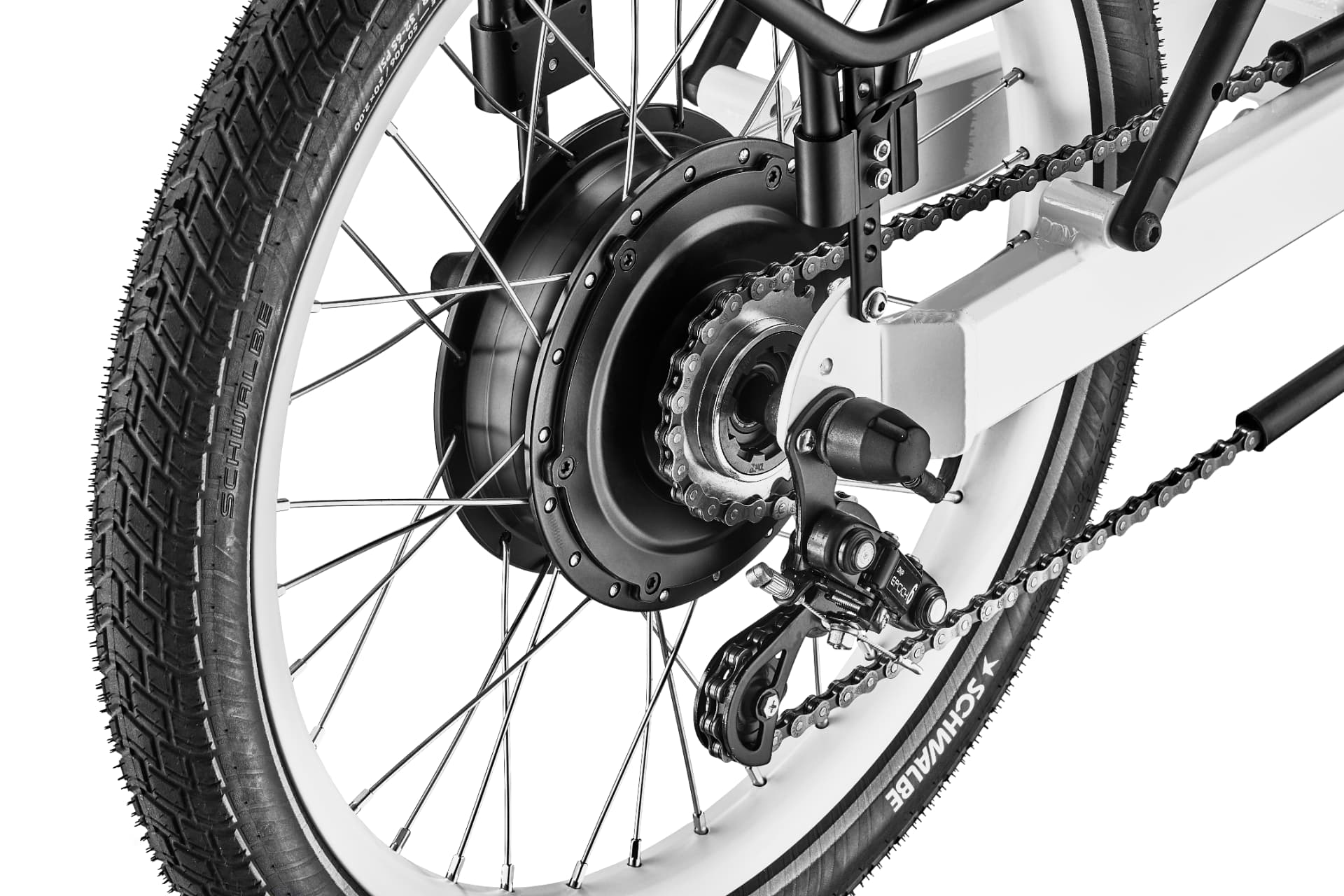
Upgrading a recumbent trike or recumbent bike with an electric-assist (e-bike) system is one of the best investments you can make for long-distance touring and pain-free climbing. Recumbents offer unmatched ergonomics and couch-like comfort, but steep inclines have historically been their single weakness due to the inability to stand up on the pedals.
An electric-assist system (e-assist) completely solves the climbing drawback of recumbent riding! However, when choosing a conversion kit for the US market, should you go with a mid-drive motor or a hub motor? Here is a comprehensive comparison covering installation, weight distribution, drivetrain efficiency, and real-world ride performance.
1. Mid-Drive Motor Systems
Popular Brands/Models: Shimano STEPS, Bafang BBS02 / BBSHD, Bosch. A mid-drive motor installs directly into the bottom bracket (BB) at the front boom of the recumbent trike, replacing the stock crankset and chainring.
Key Advantages
- Optimized Climbing Efficiency: Mid-drive motors power the chain directly, allowing the motor to utilize your trike's full rear cassette or internal gear hub. When tackling steep gradients, downshifting keeps the motor running at high RPMs in its optimal efficiency zone without overheating.
- Balanced Weight Distribution: On a recumbent trike, mounting the motor at the front boom balances out rear cargo bags, the battery pack, and the rider's reclined weight over the rear axle, resulting in more stable steering.
- Easy Rear Wheel Maintenance: Repairing a flat tire, swapping rear rubber, or tuning the rear derailleur remains as straightforward as on a non-electric bike, with no heavy motor wiring attached to the rear dropouts.
Conversion Considerations
- Drivetrain & Chain Wear: Because a recumbent chain is 2.5 to 3 times longer than a standard bicycle chain, high motor torque places extra stress on the chain and idler pulleys. Upgrading to a heavy-duty e-bike chain is strongly recommended.
- Shifting Technique: Easing up on pedal pressure slightly while shifting protects the cassette teeth and chain from high-torque wear.
2. Hub Motor Systems
Common Types: Rear Hub Motor / Dual Front Hub Motors (Rare). Hub motors are built directly into the wheel assembly—most commonly the rear wheel—and propel the trike by applying direct rotational force to the tire.
Key Advantages
- Zero Chain Wear: Power goes straight to the wheel without driving through the chain or chainrings. If your chain snaps on the trail, the motor can still propel you home independently.
- Lower Installation Barrier: You don't need to remove or modify the front bottom bracket structure. Converting your ride is often as simple as swapping the rear wheel and routing the wiring harness.
- Whisper-Quiet Operation: Brushless direct-drive or planetary geared hub motors operate almost silently during flat cruising, offering a smooth, seamless ride feel.
Conversion Considerations
- Climbing & Heat Dissipation: Hub motors cannot leverage your drivetrain gears. On long, steep climbs at low speeds, hub motors operate under high load at low RPMs, making them consume more battery power and generate excess heat.
- Rear Weight Bias: Concentrating motor weight at the rear hub increases unsprung rear weight and prevents the installation of high-end internal gear hubs (such as a Rohloff or Shimano Nexus).
3. Mid-Drive vs. Hub Motor: Feature Comparison
Steep Hill Climbing
- Mid-Drive Motor: Exceptional—leverages rear cassette gears for sustained climbing.
- Rear Hub Motor: Moderate—prone to heat build-up at low speeds on long gradients.
Flat-Terrain Cruising
- Mid-Drive Motor: Smooth and responsive with natural pedaling feel.
- Rear Hub Motor: Exceptional—ultra-quiet and seamless power delivery.
Weight Distribution
- Mid-Drive Motor: Balanced—front motor offsets rear cargo and battery weight.
- Rear Hub Motor: Rear-heavy—weight concentrated at the rear axle.
Chain & Idler Wear
- Mid-Drive Motor: Higher—requires a dedicated heavy-duty e-bike chain.
- Rear Hub Motor: Zero—power bypasses the drivetrain completely.
Internal Gear Hub Compatibility
- Mid-Drive Motor: Full compatibility with Nexus, Rohloff, and Enviolo hubs.
- Rear Hub Motor: Incompatible—requires a standard cassette dropout.
Flat Tire Maintenance
- Mid-Drive Motor: Easy—standard rear wheel removal and service.
- Rear Hub Motor: Complex—requires disconnecting motor wiring.
Summary: Which E-System Fits Your Recumbent?
Choose a Mid-Drive Motor if you:
- Frequently ride rolling hills, steep gradients, or plan multi-day touring with heavy gear.
- Prefer a natural pedaling feel and optimal front-to-rear weight balance.
- Want to pair your electric motor with an internal gear hub.
Choose a Rear Hub Motor if you:
- Stick primarily to flat rail-trails, paved suburban paths, or light rolling terrain.
- Value whisper-quiet operation, minimal maintenance, and zero chain wear.
- Are looking for a budget-friendly, straightforward e-trike conversion.
Adding electric assist turns your recumbent trike into the ultimate, pain-free touring machine—ready to tackle long distances and steep ascents with ease!
Ride the difference yourself
OVELOX is a low step-through electric recumbent trike built for comfort, stability and pain-free long rides — designed with seniors and pet families in mind.
Contact OVELOXKeep reading
How Cycling Can Become Part of Your Weekend Routine
Learn how to build a sustainable weekend cycling routine with an electric recumbent trike. Discover route ideas, distance goals, safety checklists, and tips for seniors, pet families, and active-aging riders.
Electric Trike vs Mobility Scooter: Which Is Better for Seniors?
Compare electric trikes and mobility scooters for seniors: stability, comfort, exercise, range, speed, terrain, cargo, storage, and everyday lifestyle. Find the right active mobility choice.